


The true winner of the World Cup this summer wasn’t any team even though we know Spain took home the prize, it was futbol (or soccer). This wasn’t just because of the record $15B in revenue generated by FIFA either, the sport became culture, solidifying its place in the epicenter of a global zeitgeist.
If you were in the US, or nearly any country, it wasn’t uncommon to see a person on the street wearing a team jersey, and not just their home country’s. Adidas’s beautiful design for Mexico was the top seller worldwide. Wearing a jersey (nearly any team’s jersey) wasn’t just a fashion trend; it became a cultural statement.
Jerseys have always been a symbol of affiliation: like a t-shirt for a band, a symbol for a loved brand, or a statement of your beliefs or affiliations. Wearing a brand literally on your sleeve is an announcement of one’s allegiance to culture, not just the team you chose to wear.
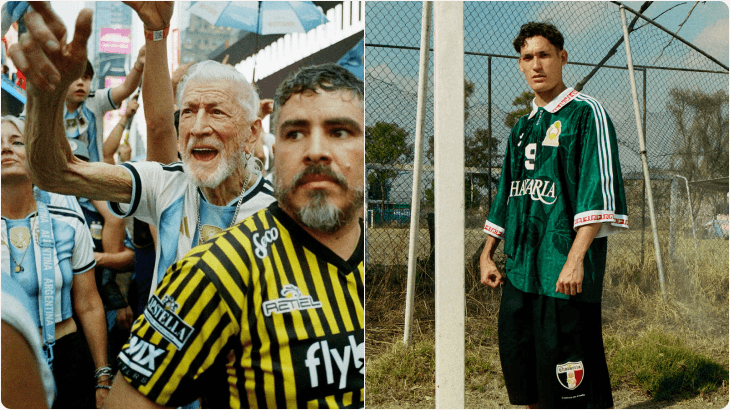
Fans at the World Cup and Adidas x Willy Chavarria Mexico World Cup capsule.
Image credit: Sara Messinger for the New York Times Magazine and Vogue (Courtesy of Adidas)
From brand identity to cultural identity: it all starts with the story.
So what makes a brand worth wearing?
It starts with giving people a story to tell. Take the rainbow-striped Apple decal that shipped with every Apple II starting in 1977. That six-color sticker turned an expensive personal computer into a lifestyle statement and let early adopters signal which tribe they belonged to. Some inherited that tribe, some chose it, many stood beside it. Those who chose to carry that identity into the world, unpaid, unprompted, did so because they believed in the brand story and they belonged. They did this only because the conditions for that choice oozed from the brand ethos as being different and for pioneers.
Apple built its identity in direct opposition to corporate computing: the beige boxes, the buttoned-up culture of IBM and its peers. Owning an Apple, and showing it, meant siding with the outsiders: the artists, the rebels, the people who believed a computer could be creative instead of just corporate. The sticker was a way to say that part out loud.
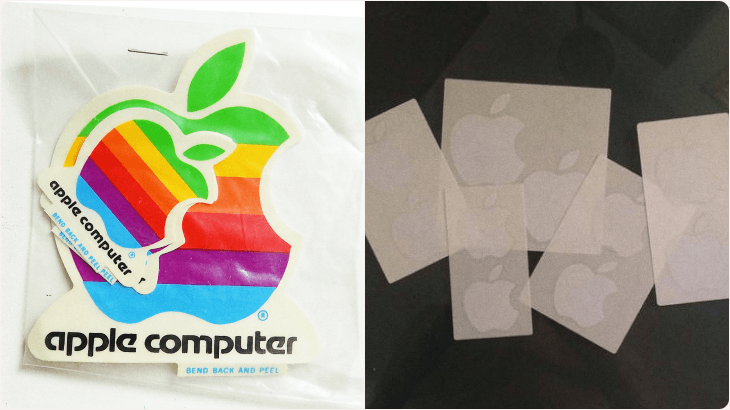
Image credits: Etsy
In 1999, Apple retired the rainbow logo in favor of a fluid, monochrome approach. This at the time made another signal: aligning itself with modern simplicity and minimalism and repositioning Apple as a sleek, modern, and high-end tech innovator. The brand ethos evolved, speaking to the spirit of tech at the time, and the sticker evolved alongside with it, becoming white. The stickers reemerged this time in the new flagship product the iPod and it was common to see them plastered on everywhere from car bumpers to street posts and laptops.
Apple had built the conditions to shape culture. It started with strategic decisions. Brand today can take note and return to being worth talking about. The brands doing this well right now have quietly figured out the inverse of the ad campaign. Trust is the product, not a byproduct of one. And the return on it is a regular person willing to become a walking endorsement. What we’d call, plainly, a brand evangelist.
Brands become the culture because evangelists tell the story.
Brand evangelism doesn’t happen from a single moment. It happens across every touchpoint a brand has with its audience. Brands must think about how their audience discovers them? How does their audience first enter the brand, and get onboarded? How do they extend that relationship once the audience is seated, and how does the brand get better or more personable over time? What happens when something breaks and they need to troubleshoot? And eventually, do they exit, or does it just become part of how they live or do they get shepherded into the next brand moment?
Because to get people talking about your brand, or supporting it, or actually wearing the t-shirt, every touchpoint has to be well designed and strategically aligned. Futbol pulled this off by bringing stories to the table early, to get people excited and interested before a single match kicked off. It kept offering new stories, and new touchpoints, as the games went on. And by the final whistle, that was enough to get people to buy in, supporting teams the way fans do: through the story, not the scoreboard.
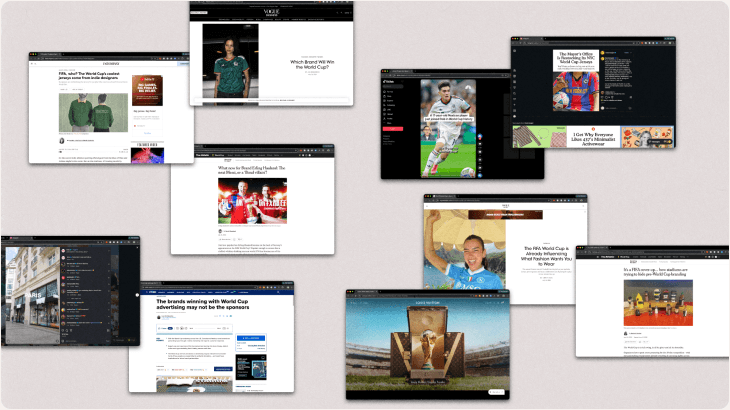
The numbers backed it up. Jersey resale prices spiked in real time after big wins this summer: proof people were purchasing into a story as it unfolded, not before it. And per Vogue's tally of the tournament, ten Messi posts alone outperformed most brands' entire formal sponsorships in earned attention, because nobody shares a logo. They share a person, or a team, whose story they already bought into. Sportswear buyers who track this closely have started to say the quiet part out loud: an iconic moment tends to outlast whoever actually lifts the trophy. Which is really just what happens when every touchpoint is doing its job at once.
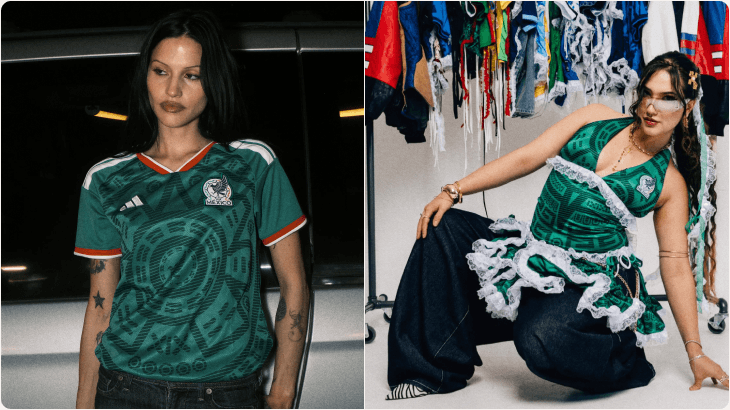
Image credit (Left): Vogue. Image credit (Right): Retro Fitted LA (Instagram)
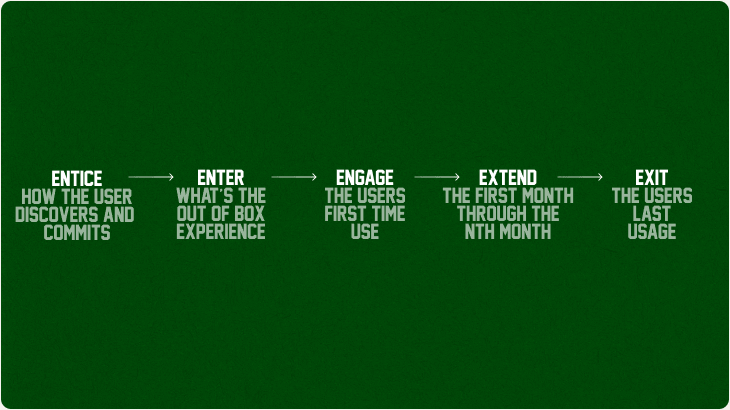
This is why we build user journey maps before we build anything else.
Most brands try to manufacture the sticker moment artificially drumming up hype through brand moments, which is exactly the trap. Put the logo somewhere loud, hope it sticks. It often doesn’t, because nobody evangelizes for a logo; they evangelize for a brand experience they trust enough to vouch for in public. That trust gets built, or lost, at every one of those touchpoints, not just the one where they see the ad.
Every stage a person moves through with a brand — first hearing about it, first using it, what happens when something breaks, whether they come back — is a chance to either build an evangelist or lose one quietly. Skip a stage and the sticker stays in the box. Get all of them right and you don’t need to ask anyone to wear your shirt. They’ll ask you.
Word of mouth is the best form of marketing.
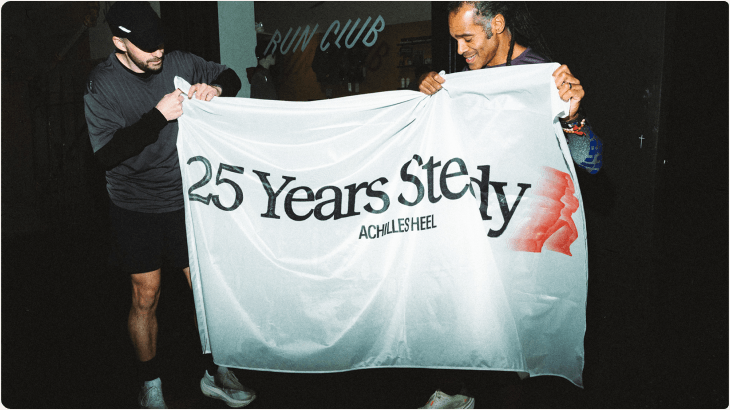
When Achilles Heel approached us to develop a new campaign to celebrate their 25th anniversary, we thought about the opportunity as a bigger cog in their user journey. The brand, which we designed a few years ago, wanted to connect with users outside of their physical store in the UK as we were helping them revamp their site. We aimed to create brand evangelists by thinking through their users’ journey with the brand. The result was a physical and digital race anyone could run to gain access to discounts at their online store. Our focus was on culture and allowing their audience to become the best runner they can be, which Achilles Heel can help supply. The result was a successful in-person celebration race and more importantly, a connection to the brand around the world.
Word of mouth is your best form of advertising.
Here’s our advice for building brand evangelists: think about your user’s journey with your brand. Start them early, and do them often. At the brand level, and at the campaign level. Map every point big and small and design from it. Think through each point someone interacts with your brand, put a real story at each one, and trust that if the touchpoints hold up, people will do your marketing for you. That’s the whole playbook. You don’t need a World Cup or a global stage to run it.
The tournament fades from the feed. The sport moves on to the next cycle. But the jerseys don’t move on; they stay in rotation, in closets, on strangers in cities that never touched a stadium. That’s the difference between a brand moment and a brand: one ends when the event does, the other keeps getting worn.